


Smartwatches have become popular tools for tracking daily activity, workouts, heart rate, and blood oxygen levels. But many users ask an important question:
“How accurate are smartwatch health readings, and how can I improve them?”
The answer depends on proper setup, correct wearing habits, sensor quality, and understanding what these measurements can and cannot tell you. Whether you already own a smartwatch or are comparing options before buying one, these practical tips can help you get more reliable readings.
What Do Smartwatch Sensors Measure?
Modern smartwatches use built-in sensors to estimate different health and fitness metrics.
Common sensors include:
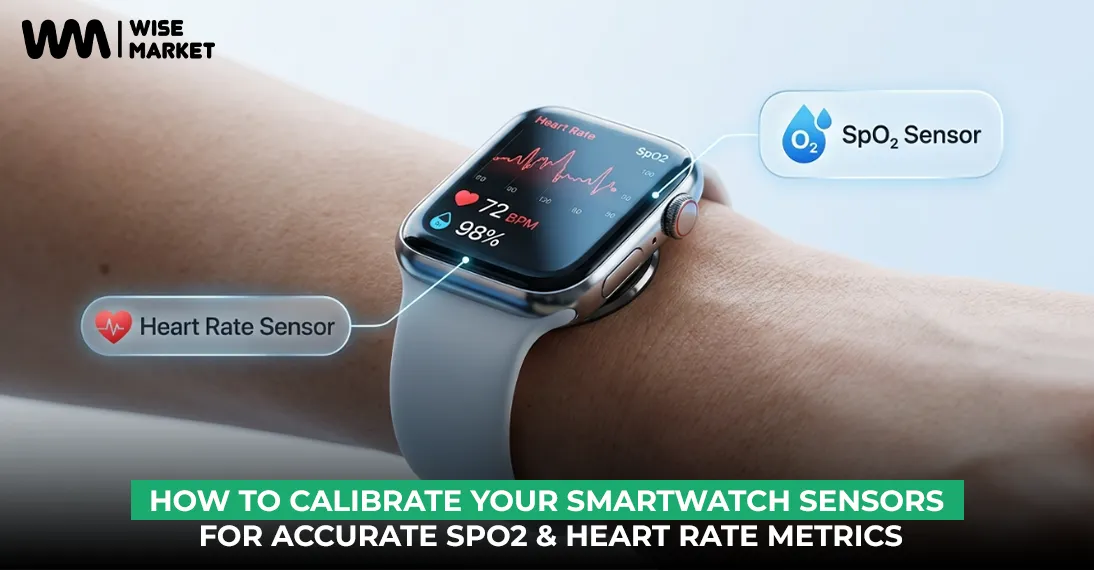
Heart Rate Sensor
Most smartwatches use optical sensors on the back of the watch to detect changes in blood flow.
This information helps estimate:
- Resting heart rate
- Workout heart rate
- Activity intensity
- Recovery trends
SpO2 Sensor
SpO2 sensors estimate blood oxygen saturation using light-based measurements.
They are commonly used for:
- General wellness tracking
- Fitness awareness
- Understanding daily trends
However, smartwatch readings should not be considered a replacement for professional medical devices. Ready to upgrade your everyday tracking experience? Browse smartwatches at Wise Market and choose a device that keeps you connected and informed.
How To Improve Smartwatch Heart Rate Accuracy
1. Wear Your Watch Correctly
The most common reason for inaccurate readings is incorrect positioning.
For better results:
- Wear the watch above your wrist bone
- Keep it comfortably tight
- Ensure the sensor touches your skin
- Avoid wearing it too loose during exercise
A loose watch can create movement gaps that affect sensor readings.
2. Keep the Sensor Area Clean
Dust, sweat, and dirt can interfere with sensor performance.
Regularly clean:
- The back sensor area
- Your wrist before workouts
- The charging contacts
A simple soft cloth is usually enough.
3. Update the Smartwatch Software
Manufacturers regularly improve:
- Sensor algorithms
- Battery performance
- Tracking accuracy
- App connectivity
Keeping your smartwatch updated helps it perform properly.
How To Improve SpO2 Accuracy
Keep Your Wrist Still During Measurement
SpO2 measurements require stable contact.
For better readings:
- Sit comfortably
- Keep your arm relaxed
- Avoid moving during measurement
- Wait until the reading completes
Movement can affect optical sensor calculations.
Avoid Measuring Immediately After Exercise
After intense activity:
- Heart rate is elevated
- Blood circulation changes
- Skin temperature changes
For everyday wellness tracking, measure when your body is relaxed.
Common Smartwatch Calibration Mistakes
Many users expect smartwatch readings to be perfect immediately.
Here are common mistakes:
Mistake 1: Wearing The Watch Too Loose
A smartwatch needs proper skin contact.
Loose placement can create inconsistent readings.
Mistake 2: Expecting Medical-Level Accuracy
Smartwatches are designed for:
- Fitness awareness
- Activity tracking
- Personal trends
They are not designed to replace medical monitoring equipment.
Mistake 3: Choosing Features Instead of Actual Usage
Some customers buy a smartwatch because it has many health features but rarely use them.
Before buying, consider:
- Do you exercise regularly?
- Do you need workout tracking?
- Do you want notifications?
- Is battery life important?
The best smartwatch is the one that fits your daily routine.
Who Should Consider Buying a Health Tracking Smartwatch?
A smartwatch with health tracking features can be useful for:
Fitness Users
Helpful for tracking:
- Exercise sessions
- Heart rate during workouts
- Daily activity levels
Busy Professionals
Useful for:
- Quick notifications
- Activity reminders
- Monitoring daily habits
People Building Health Awareness
Useful for understanding:
- Activity patterns
- Sleep habits
- Fitness progress
Who May Not Need Advanced Health Features?
A smartwatch may not be the right choice if:
- You only need basic timekeeping
- You rarely use smartphone-connected features
- You expect medical-grade monitoring
- You do not want to charge another device regularly
Choosing based on actual needs helps avoid unnecessary spending. Make a smarter purchase decision with the right smartwatch. Explore Wise Market’s latest smart devices and find the one that matches your needs.
How To Choose The Right Smartwatch In Pakistan
Before buying a smartwatch, compare:
| Factor | Why It Matters |
| Sensor quality | Affects health tracking reliability |
| Battery life | Determines daily convenience |
| App compatibility | Ensures smooth connection |
| Display quality | Improves everyday use |
| Build design | Matters for comfort and durability |
| Customer support | Important for long-term ownership |
Smartwatch Health Features: What Matters Most?
Instead of choosing a watch only because it lists many features, focus on:
Reliable Basics
- Stable heart rate tracking
- Comfortable wearing design
- Good battery life
- Compatible mobile app
Useful Extras
Depending on your lifestyle:
- Workout modes
- Sleep tracking
- Notifications
- Bluetooth calling
- Custom watch faces
Find a smartwatch that fits your lifestyle. Explore Wise Market’s smartwatch collection and compare features, designs, and value before making your choice.
Frequently Asked Questions
Do I need to calibrate my smartwatch manually?
Most modern smartwatches automatically process sensor data. However, correct wearing position, software updates, and proper setup improve measurement quality.
Why is my smartwatch heart rate inaccurate?
Common reasons include:
- Loose strap
- Excess movement
- Incorrect position
- Dirty sensors
- Poor skin contact
Can smartwatch SpO2 readings be trusted?
Smartwatch SpO2 readings are useful for general wellness tracking and observing trends, but they should not replace professional medical equipment.
Which smartwatch is best for health tracking?
The right smartwatch depends on your budget, smartphone compatibility, and the features you actually need. Compare sensor features, battery life, comfort, and after-sales support before buying.
Are cheap smartwatches good for health tracking?
Budget smartwatches can provide useful everyday tracking, but customers should compare sensor features, software quality, and brand reliability before purchasing.
Get More Reliable Insights From Your Smartwatch
A smartwatch can be a useful companion for tracking your daily activity, workouts, heart rate trends, and wellness habits , but accurate results depend on more than just the sensors inside the device. Proper wearing position, clean sensors, updated software, and realistic expectations all play an important role.
Before buying a smartwatch, focus on choosing a device that matches your actual needs, whether you want fitness tracking, everyday notifications, workout support, or general health awareness. The right smartwatch is not always the one with the longest feature list, it is the one that fits your lifestyle and provides useful information you can consistently use.
If you are looking for a smartwatch in Pakistan, explore options based on important factors like sensor features, compatibility, battery life, comfort, and overall value. Wise Market offers a range of smart devices and accessories to help customers compare products and make informed buying decisions. Ready to find a smartwatch that fits your daily routine? Explore Wise Market’s smartwatch collection and choose a device that helps you stay connected, active, and informed.